
You match with someone. The conversation is easy. They seem genuinely interested in you — maybe more interested than anyone has been in a while. It feels good.
That’s exactly the moment to pay the closest attention.
Not because most people online are dishonest. Most aren’t. But the ones who are tend to be very good at making the first few weeks feel effortless, which is exactly why online dating red flags get missed so often. They rarely show up as something dramatic. They show up as small, easy-to-explain-away moments — a video call that keeps getting rescheduled, a compliment that lands a little too fast, a story that shifts slightly between conversations.
In just the first nine months of 2025, people in the U.S. reported losing $1.16 billion to romance scams, according to FTC Consumer Sentinel Network data — and that’s only what got reported. Embarrassment keeps a lot of people from ever filing a report at all, so the real number is almost certainly higher.
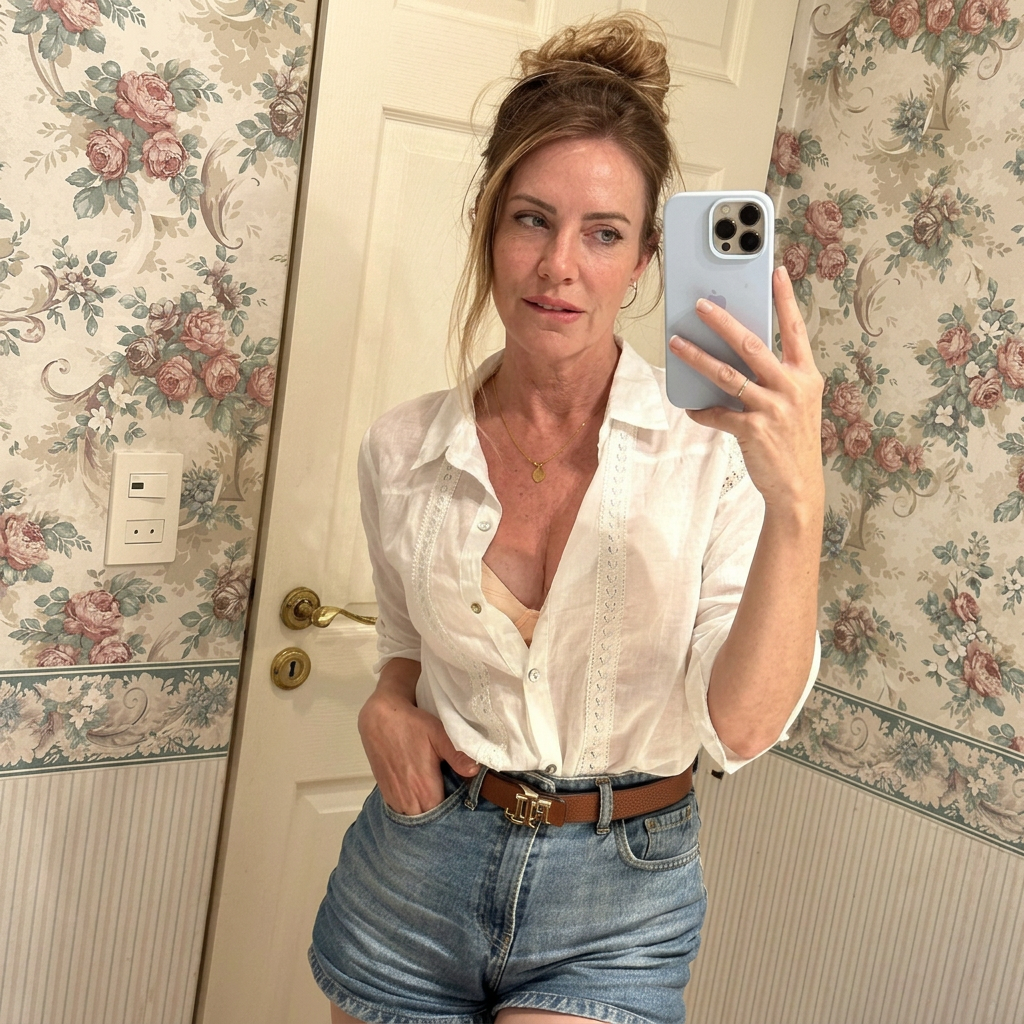
Meet Olivia Bennett — Seattle, Washington
Olivia Bennett is a confident technology consultant who has spent years building a rewarding career while maintaining a balanced personal life. She believes success is even more fulfilling when shared with someone who appreciates honesty, loyalty, and genuine companionship.
Outside of work, Olivia enjoys discovering new coffee shops, exploring scenic hiking trails, reading personal development books, and traveling to destinations that offer unforgettable experiences. She values thoughtful conversations and believes that friendship is the strongest foundation for lasting love.
Profile Information
| Details | Information |
|---|---|
| Name | Olivia Bennett (Fictional) |
| Country | United States |
| State | Washington |
| City | Seattle |
| Marital Status | Single |
| Age | 33 Years |
| Height | 5’7″ (170 cm) |
| Occupation | Technology Consultant |
| Education | Master’s Degree |
| Languages | English |
| Relationship Goal | Long-Term Relationship & Marriage |
Chat with Olivia on Whatsapp
About Olivia
Olivia describes herself as compassionate, ambitious, and dependable. She enjoys spending quality time with family, staying active, and learning something new every day. She believes that honesty, consistency, and mutual encouragement are essential ingredients for a successful relationship.
Rather than seeking perfection, Olivia hopes to meet someone who is emotionally mature, respectful, and ready to build a future based on trust and shared values.
Hobbies & Interests
- Traveling
- Hiking
- Photography
- Healthy cooking
- Reading
- Yoga
- Weekend road trips
- Live music
- Coffee shops
- Volunteering
- Beach vacations
- Watching movies
Looking For
Olivia hopes to meet someone who is:
Ready for a serious relationship
Honest
Loyal
Family-oriented
Respectful
Emotionally mature
Financially responsible
Supportive
Positive
Ambitious
This guide walks through the 15 warning signs worth taking seriously, roughly in the order they tend to appear, plus exactly what to do if you spot one.
Why These Signs Are Easy to Miss
Nobody falls for a scam because they’re careless. They fall for it because someone spent real time and effort making the story feel plausible, and because affection makes people want to give the benefit of the doubt. That’s not a character flaw — it’s how trust normally works. It’s also exactly what gets exploited.
Social media has quietly become the more expensive starting point for this, too. FTC data shows nearly 60% of people who reported losing money to a romance scam in 2025 said it started on a social media platform rather than a dedicated dating app — likely because dating apps, for all their flaws, at least have fraud detection and reporting tools built in. A DM has none of that.
15 Red Flags in Online Dating
None of these alone is proof of anything. Plenty of genuine people are awkward on camera or slow to open up. What matters is the pattern — how many of these show up with the same person, and how they react when you ask a direct question about one of them.
- They push to leave the dating app almost immediately
Within a day or two, before you’ve had much of a real conversation, they want your number, or to move to WhatsApp, Telegram, or Signal. There are innocent reasons to text someone eventually — but “let’s move off here before we’ve even talked” skips the part where you’d normally decide someone’s worth talking to at all. It also gets them off a platform with any kind of safety infrastructure.
- They fall in love fast
Soulmate language, “I’ve never felt this way before,” within days or a couple of weeks — often before you’ve met, sometimes before you’ve even had a video call. This is sometimes called love bombing, and its effect is to get you emotionally invested before your normal skepticism has time to kick in.
- They always have a reason not to video call
Broken camera, bad connection, “I’m shy on video,” week after week. One missed call is nothing. A pattern of reschedules and excuses over weeks is a different thing entirely.
- Their photos look a little too polished
Studio lighting, model-style shots, or — increasingly — AI-generated images that look almost right but have small tells: hands that don’t look quite real, jewelry that changes between photos, a background that doesn’t match the story. A reverse image search takes thirty seconds and answers a lot.
- Small details shift between conversations
Their job changes slightly. Their hometown gets vague the second time you ask. The timeline of their life doesn’t quite add up. People misremember small things sometimes — but a consistent pattern of shifting facts, especially around identity or location, is worth noting rather than explaining away.
- They’re conveniently unreachable in ways that explain everything
Deployed overseas with the military, working on an oil rig, a doctor with an NGO in a remote area, a ship’s engineer. These specific jobs show up constantly in scam scripts for a reason: they explain away video calls, unpredictable messaging, and why you’ll never run into their coworkers or family.
- Money comes up early, even indirectly
Not necessarily “send me cash” — more often something softer, like asking what you do for work, how business has been, whether you own your home. This is frequently just qualifying whether you’re worth the effort before anything is actually asked for.
- A crisis appears that only you can fix
A medical emergency, a shipment stuck at customs, a family member hospitalized abroad, a sudden legal fee. The combination of urgency and “you’re the only one who can help right now” is the actual mechanism — not the specific story.
- Cryptocurrency or a “guaranteed” investment comes up
A newer, increasingly common version of this ends with the relationship becoming the entry point to a trading platform or investment app, sometimes called “pig butchering.” No legitimate investment is guaranteed, and a new romantic connection doubling as a financial advisor is the red flag itself, regardless of how the numbers look.
- They ask to be paid in gift cards, wire transfers, or crypto
These methods share one thing: they’re effectively untraceable and irreversible once sent. That’s precisely why they’re requested instead of a normal, reversible payment method.
- They discourage you from telling friends or family
Usually framed gently — “this is just between us,” “they wouldn’t get it.” The actual effect is cutting you off from the people most likely to notice the pattern from the outside, since you’re too close to it to see it yourself.
- They barely exist anywhere else online
Few or no friends/followers, an account created recently, no photos of them tagged by other people, nothing beyond the profile itself. A real social history is hard to fake convincingly at scale.
- They mirror your interests a little too well
Every hobby, every value, every favorite show lines up perfectly. Especially early on, a suspiciously exact match can mean the persona is being actively shaped around whatever you’ve already shared.
- They get defensive when you ask a direct question
Most genuine people don’t mind a reasonable ask, like a quick video call. Guilt-tripping, deflecting, or flipping it back on you (“I thought you trusted me”) in response to something simple is itself informative.
- Something feels off, even if you can’t say why
Trust that instinct. A persistent, low-grade sense that something doesn’t add up is your pattern-recognition doing its job, even before you can articulate exactly what tipped it off.
What To Do If You Spot a Red Flag
Reverse image search their photo (Google Images or TinEye). A match on a stock site, a different name attached, or the same photos on multiple dating profiles gives you a clear answer fast.
Ask for a short, unscheduled video call. Not a big ask — genuine people almost never mind, and scammers almost always have a reason to delay.
Never send money, gift cards, crypto, or financial information to someone you haven’t met in person. No story changes that, including “I’ll pay you back” or “it’s an emergency.”
Tell one trusted person what’s going on, even casually. Outside perspective catches what’s hard to see from inside a relationship you’re emotionally invested in.
Report and block on whichever platform you met through — most have a specific flow for this.
If money has already changed hands, contact your bank or card issuer immediately, then file a report at ReportFraud.ftc.gov. Stop contact, and don’t send more money to anyone — including someone claiming they can help you get it back, which is a common follow-up scam.
Frequently Asked Questions
What’s the most common online dating scam right now?
A slower-building version that starts with normal romantic interest, moves to a private messaging app, and eventually pivots into a cryptocurrency “opportunity” the other person walks you through — rather than a blunt, early request for cash.
How can I tell if I’m being catfished?
Run a reverse image search on their photos, ask for a spontaneous video call rather than a scheduled one, and pay attention to whether basic details about their life stay consistent over time.
Is it safe to video call someone I matched with online before meeting in person?
Generally yes, and it’s one of the most useful screening steps available. Keep the first one on the platform you matched on rather than a separate app, and treat repeated avoidance of it as meaningful information.
What should I do if I already sent money to someone I met online?
Contact your bank or card issuer right away, stop all contact, and report it to ReportFraud.ftc.gov. Be cautious of anyone who contacts you afterward offering to help recover the funds — that’s a well-documented follow-up scam targeting people who’ve already lost money once.
Are scams more common on dating apps or social media?
Both carry risk, but social media has become the costlier starting point in recent FTC data, likely because dating apps at least include some fraud-detection and reporting infrastructure that a direct message doesn’t.
Bottom Line
None of this means treating everyone you match with as a suspect. Most people online are exactly who they say they are, looking for the same genuine connection you are. The goal isn’t suspicion — it’s noticing a pattern early enough that a good instinct doesn’t get talked out of itself.
If more than a couple of these show up with the same person, it’s worth paying attention to. Ask the direct question. Ask for the video call. A real connection can handle it.
Sources: FTC Consumer Sentinel Network data (ftc.gov); Washington State Department of Financial Institutions.